21A – Reading Reflection No. 2
Bringing in a Second Opinion
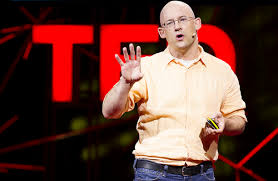
Cognitive Surplus
 by: Clay Shirky
1. What is the general theme and argument of the book?
The theme of the book delved into how media and technology, and how it can be used to inspire people to create. He talks about how people don't utilize their free time and how some people don't think they have free time to spare. This leads to becoming "Couch Potatoes". but ensures the reader that nobody wants to be one. We all have intrinsic motivation that leads us all to consume, create and share.
2. How did the book, in your opinion, connect with and enhance what you are learning in ENT 3003?
The book cognitive Surplus, connects to the business project that I am going through in this class. Cognitive Surplus, is all about how we advance communication, whether it is voluntary generosity or economic generosity, it is made for connecting to one another, and learning how to convey messages. I am trying to connect students to custodians through community and generosity.
Side story that was interesting:
Clay Shirky, shared a story about women in India who were being harassed by a group of men in a bar.They uploaded the incident to social media, and a group of men called "Gods Army" came forward and said they attacked the women because they're not being modest Hindu women, and they will be attacked again, on Valentines Day, if they were caught without a male blood relative. So the women had to take the risk to go out in a large group, but many didn't want to take that risk. So, they had to find a way to bring awareness to the situation without any risk. This brings me back to finding a way to connect and create. They women created a Facebook page(Consortium of Pub-going,
 Loose and Forward Women) and started to accept donations. The women had collected donations to send them pink underwear with messages on them from the women. The press caught light of it, and made it globally public. The press lead to their arrest, and women were not attacked in this manner for several years.
They showed that they're were able to raise money for a cause, and they found out a way to gain connection, and unity without major risk. This is what strategies I have learned. she took advantage of new resources, uses it collectively and this is cognitive surplus.
3. If you had to design an exercise for this class, based on the book you read, what would the exercise involve?
My exercise for this class would include
1. finding multiple ways to connect and create new networks.
2. figuring out your interest, and skills.
3. How to reach your customers, and what should you focus on when you're trying to interest your customer.
4.Understanding if your're designing for economic generosity or social generosity.
4. What was your biggest surprise or 'aha' moment when reading the book?
 One of the biggest things Shirky, talks about in the book is having "free time," and what gives the best explanation of this is Wikipedia. It is the largest and most popular general reference work on the World Wide Web. it is the largest voluntary project worldwide, and collectively they spend 200 billion hours in North America yearly. Some people ask "what people would have the time to write on this website to share information?" On the other hand, this book made me realize that we have magnitudes of time. We just don't know how to use the time, but we only have to make small changes. We don't want to be "Couch Potatoes" we want to create and share. So I learned that we love to consume, but we also need to use our time to create and share through cognitive surplus.
Cognitive Surplus
by: Clay Shirky1. What is the general theme and argument of the book?
The theme of the book delved into how media and technology, and how it can be used to inspire people to create. He talks about how people don't utilize their free time and how some people don't think they have free time to spare. This leads to becoming "Couch Potatoes". but ensures the reader that nobody wants to be one. We all have intrinsic motivation that leads us all to consume, create and share.
2. How did the book, in your opinion, connect with and enhance what you are learning in ENT 3003?
The book cognitive Surplus, connects to the business project that I am going through in this class. Cognitive Surplus, is all about how we advance communication, whether it is voluntary generosity or economic generosity, it is made for connecting to one another, and learning how to convey messages. I am trying to connect students to custodians through community and generosity.
Side story that was interesting:
Clay Shirky, shared a story about women in India who were being harassed by a group of men in a bar.They uploaded the incident to social media, and a group of men called "Gods Army" came forward and said they attacked the women because they're not being modest Hindu women, and they will be attacked again, on Valentines Day, if they were caught without a male blood relative. So the women had to take the risk to go out in a large group, but many didn't want to take that risk. So, they had to find a way to bring awareness to the situation without any risk. This brings me back to finding a way to connect and create. They women created a Facebook page(Consortium of Pub-going,
Loose and Forward Women) and started to accept donations. The women had collected donations to send them pink underwear with messages on them from the women. The press caught light of it, and made it globally public. The press lead to their arrest, and women were not attacked in this manner for several years.They showed that they're were able to raise money for a cause, and they found out a way to gain connection, and unity without major risk. This is what strategies I have learned. she took advantage of new resources, uses it collectively and this is cognitive surplus.
3. If you had to design an exercise for this class, based on the book you read, what would the exercise involve?
My exercise for this class would include
1. finding multiple ways to connect and create new networks.
2. figuring out your interest, and skills.
3. How to reach your customers, and what should you focus on when you're trying to interest your customer.
4.Understanding if your're designing for economic generosity or social generosity.
One of the biggest things Shirky, talks about in the book is having "free time," and what gives the best explanation of this is Wikipedia. It is the largest and most popular general reference work on the World Wide Web. it is the largest voluntary project worldwide, and collectively they spend 200 billion hours in North America yearly. Some people ask "what people would have the time to write on this website to share information?" On the other hand, this book made me realize that we have magnitudes of time. We just don't know how to use the time, but we only have to make small changes. We don't want to be "Couch Potatoes" we want to create and share. So I learned that we love to consume, but we also need to use our time to create and share through cognitive surplus. 

Kyra,
ReplyDeleteThis book sounds really interesting and like something I would enjoy reading. I always try to think about how I could be spending my free time better to be more productive. Thanks for sharing the story as well.
Although this was not the book I chose to read, you describe it really well to the point where I am going to read it! I can clearly see in your reflection that you took a lot from this book and the message is really motivating. As students, we think we do not have enough time, but the truth is that when it comes to creativity, we can always find time. I also really like the exercise you developed because I think it would be really engaging for students.
ReplyDeleteHey Kyra,
ReplyDeleteThe book I chose was about technology as well, but more about how to utilize technology for a product or company! Yours definitely has a lot of key points that I would like to implement into my own life. I think managing time is super important, yet hard to actually do. I think you got a lot out of this book based off of your lesson plan! Great job!